Start with business requirements and the operating model
A digital platform should reflect how property teams actually work: tenant lifecycle, rent operations, maintenance, access, resident services, approvals, communication, reporting, and management review. Technology choices should follow the operating model rather than forcing teams into generic screens.
Digitize processes before adding automation
Teams should document billing, receipts, arrears, maintenance, visitor access, resident notices, provider approval, reporting, and escalation workflows before automating them. Clear processes make platforms easier to configure, train, and support.
Use platform architecture and engineering discipline
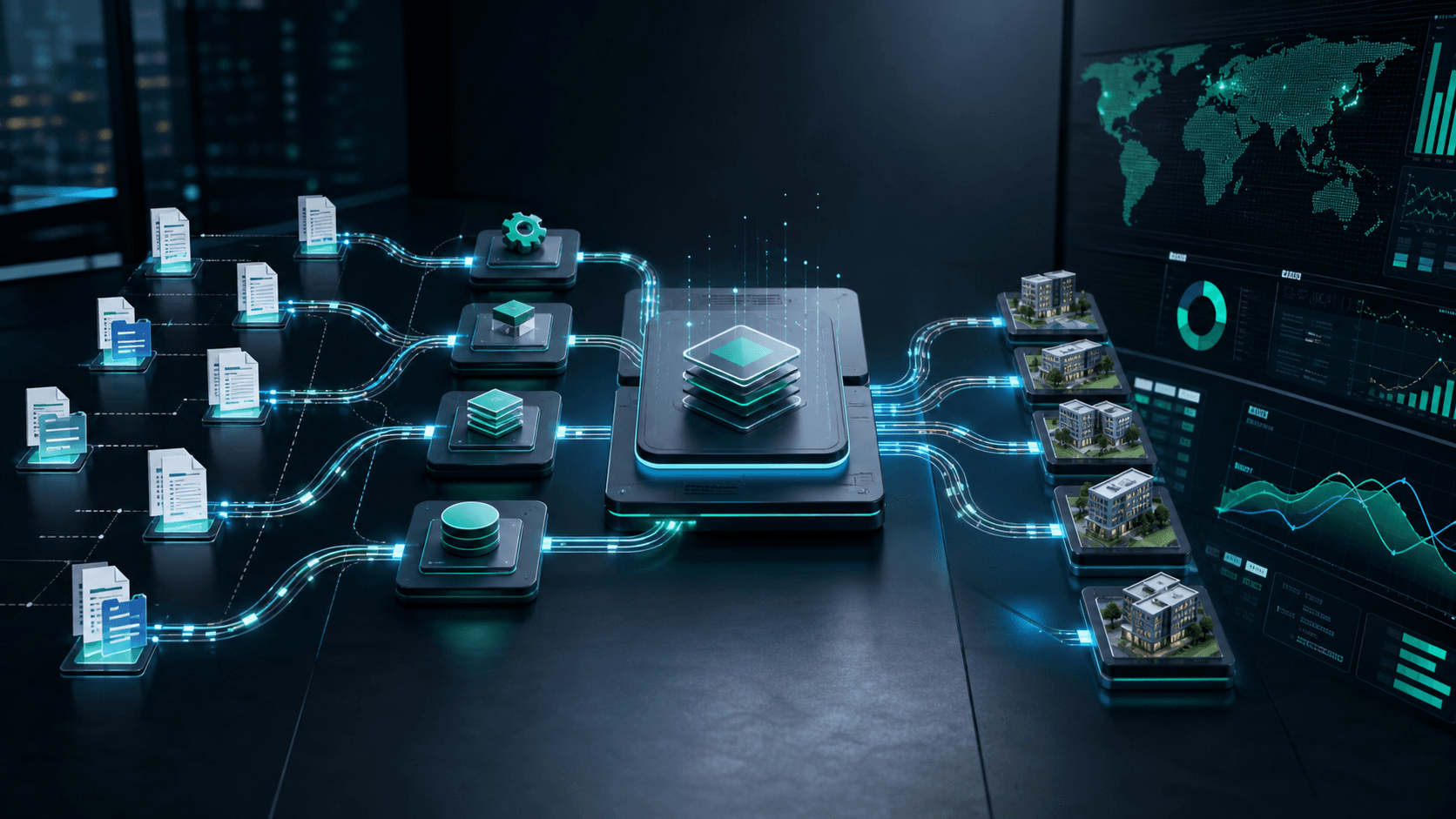
Scalable real estate platforms need role-based access, clean domain models, reliable workflows, audit trails, integration readiness, responsive interfaces, and maintainable cloud architecture. Product engineering is the discipline that turns a workflow idea into software that can survive real use.
Design payments and integrations deliberately
Payment channels, tenant references, accounting exports, communication providers, document storage, and reporting systems should be planned as part of the platform architecture. Integration readiness matters even when the first rollout keeps some steps manual.
Build data and AI foundations early
AI-enabled operations depend on trusted data foundations. Property, unit, tenant, lease, billing, service, access, and communication data should be structured well enough to support dashboards, questions, predictions, and exception handling without weakening governance.
Security, ownership, and support must be explicit
Real estate platforms handle tenant records, documents, access workflows, billing data, and operational decisions. Teams should define roles, permissions, audit trails, support ownership, change control, backup expectations, and privacy responsibilities before scale.
ElgonOS as a real delivery example
ElgonOS is one example of Elgon Edge's platform engineering capability for property operations in Kenya. It demonstrates how rent, tenants, leases, maintenance, access, resident services, dashboards, AI-assisted reporting, governance, and rollout support can be brought into one operating platform.
Connect delivery to adoption
A platform is only valuable when teams use it consistently. Implementation should include migration planning, data cleanup, training, operating routines, issue tracking, and governance so the system becomes part of daily management rather than a side project.