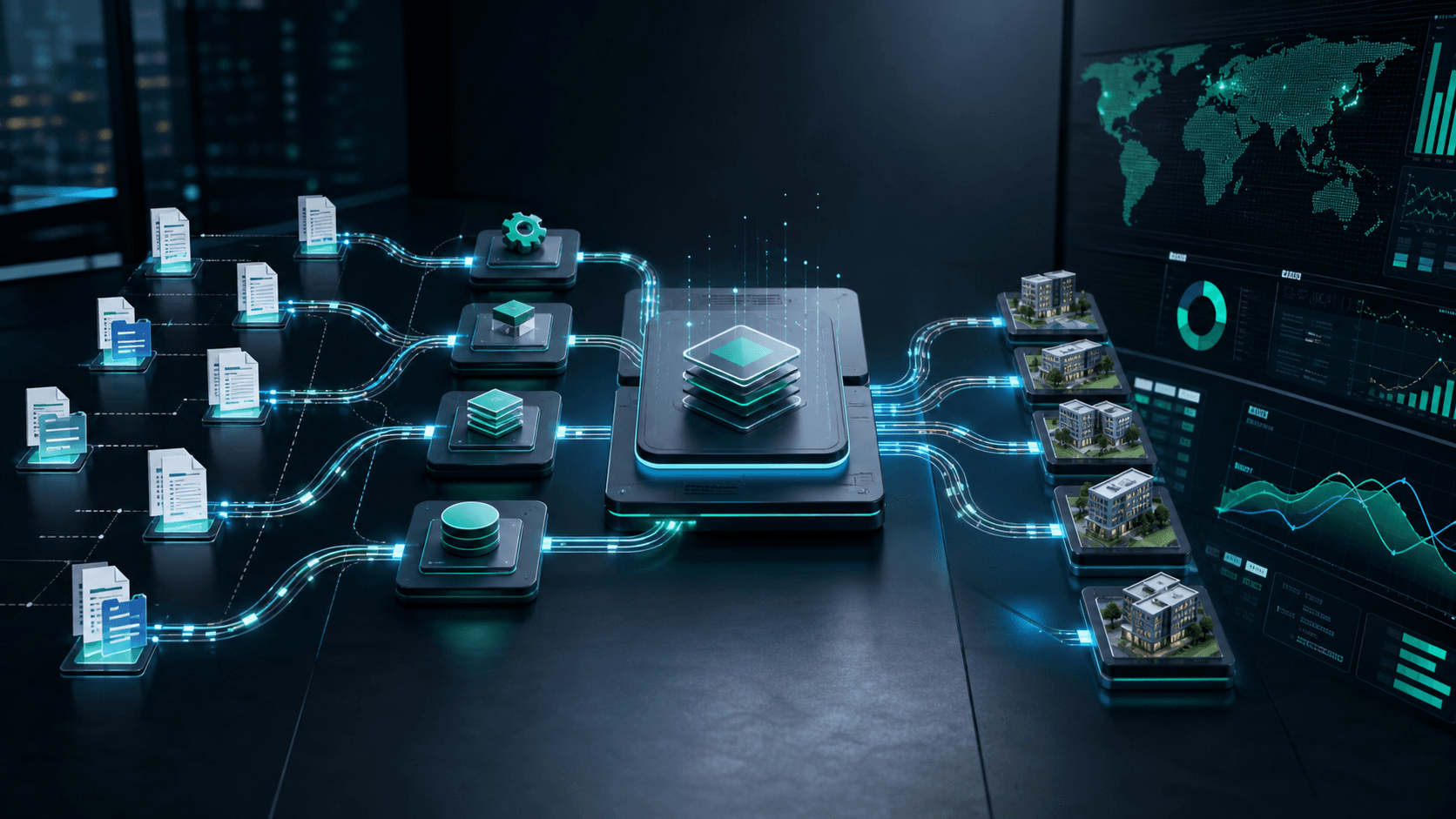
Rent collection is only one operating workflow
Payment visibility matters, but property teams also manage tenant onboarding, leases, documents, maintenance, access, communication, arrears follow-up, resident requests, and management reporting. When those workflows sit in separate tools, leaders still lack a complete operating view.
Billing, receipts, and arrears need one operating view
The transition from rent tracking to property operations starts when billing cycles, invoices, receipts, arrears, reminders, tenant balances, and payment history are connected to the same tenant, lease, unit, and property records. This reduces disputes and gives owners clearer collection visibility.
The tenant lifecycle needs connected records
A stronger platform connects prospect, tenant, unit, lease, billing, receipt, service, access, and communication records. This reduces repeated data entry and gives managers a clearer view of each tenant relationship from onboarding through renewal, exit, or escalation.
Operations extend into maintenance, access, and residents
Once rent data is connected, the next value comes from linking maintenance requests, access and visitor records, resident communication, resident services, dashboards, audit trails, and AI-assisted insights. These workflows explain why many teams outgrow single-purpose rent tools.
Implementation considerations
Teams should plan data cleanup, tenant reference standards, lease migration, staff permissions, reporting routines, and exception workflows before rollout. The best platform choice is the one the team can adopt consistently, not just the longest feature list.
Dashboards and AI reporting raise operating maturity
As portfolios grow, teams need dashboards for arrears, occupancy, service backlog, access activity, construction readiness, resident services, and exception management. AI-assisted reporting can help managers ask better questions, but governance and data quality still determine whether the answers are useful.
Platforms require governance, not just features
A property operations platform should support roles, approvals, audit trails, data quality checks, and clear operating routines. These controls turn software into a repeatable management system rather than another place to store records.